
 +86-15916242887


News
What is a PoC Inductor? A Complete Guide to Power over Coax Technology for Automotive and Industrial Applications
2026-06-13
What is a PoC Inductor? A Complete Guide to Power over Coax Technology for Automotive and Industrial Applications
Introduction
As modern vehicles, industrial vision systems, robotics, and intelligent security devices continue to evolve, engineers face a common challenge: how to deliver both power and high-speed data through limited wiring infrastructure.
Power over Coax (PoC) technology has emerged as an efficient solution by enabling DC power and high-speed communication signals to share a single coaxial cable. At the center of every PoC architecture is a critical passive component: the PoC Inductor.
This article explains how PoC inductors work, why they are essential for automotive camera systems, and what engineers should consider when designing reliable Power over Coax networks.
What is Power over Coax (PoC)?
Power over Coax (PoC) is a transmission technology that combines:
- DC Power Delivery
- High-Speed Data Transmission
within a single coaxial cable.
Instead of using separate cables for power and communication, PoC simplifies system architecture while reducing:
- Wiring complexity
- Vehicle weight
- Installation costs
- Failure points
PoC technology has become increasingly important in:
Automotive Electronics
- ADAS Cameras
- Surround View Systems
- Electronic Mirrors
- Driver Monitoring Systems (DMS)
- LiDAR Sensors
Industrial Automation
- Machine Vision Cameras
- Automated Inspection Systems
Medical Equipment
- Endoscopy Systems
- Imaging Devices
Smart Security
- HD Surveillance Cameras
- Intelligent Monitoring Networks
What is a PoC Inductor?
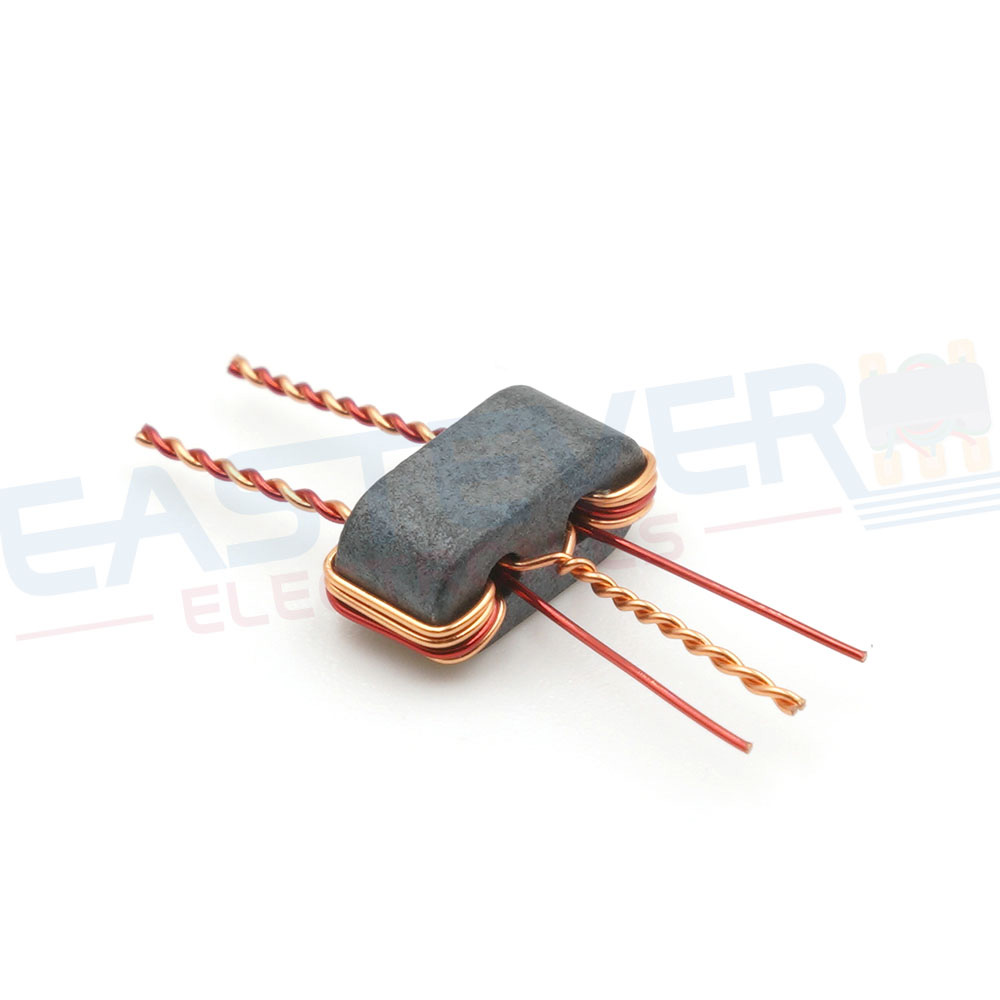
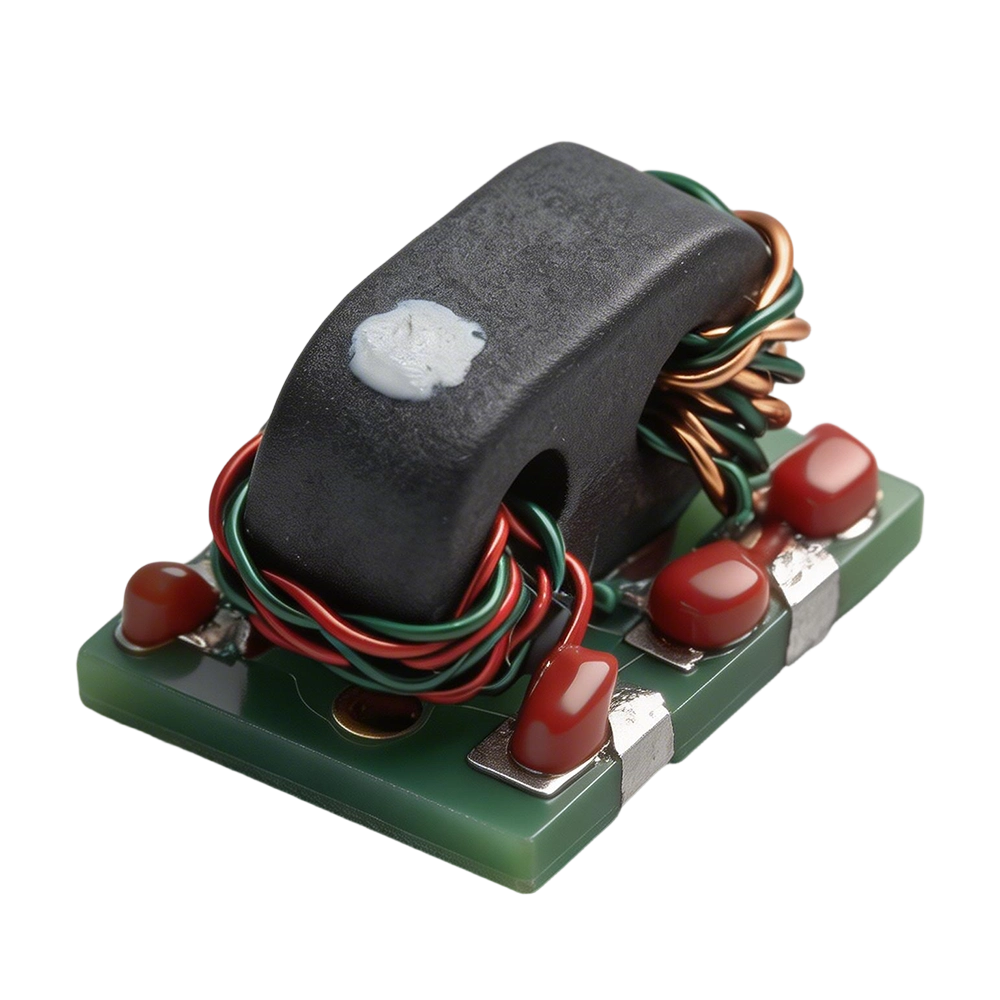
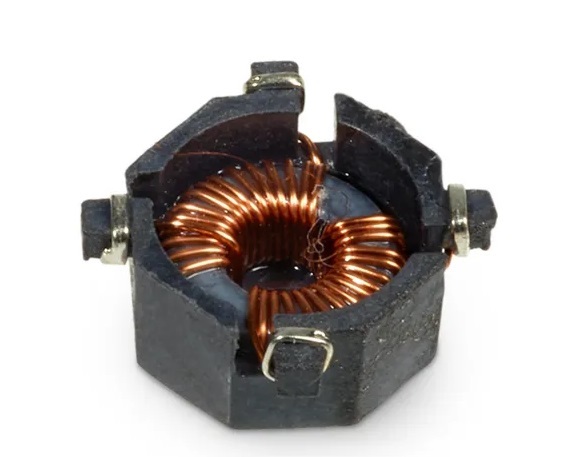
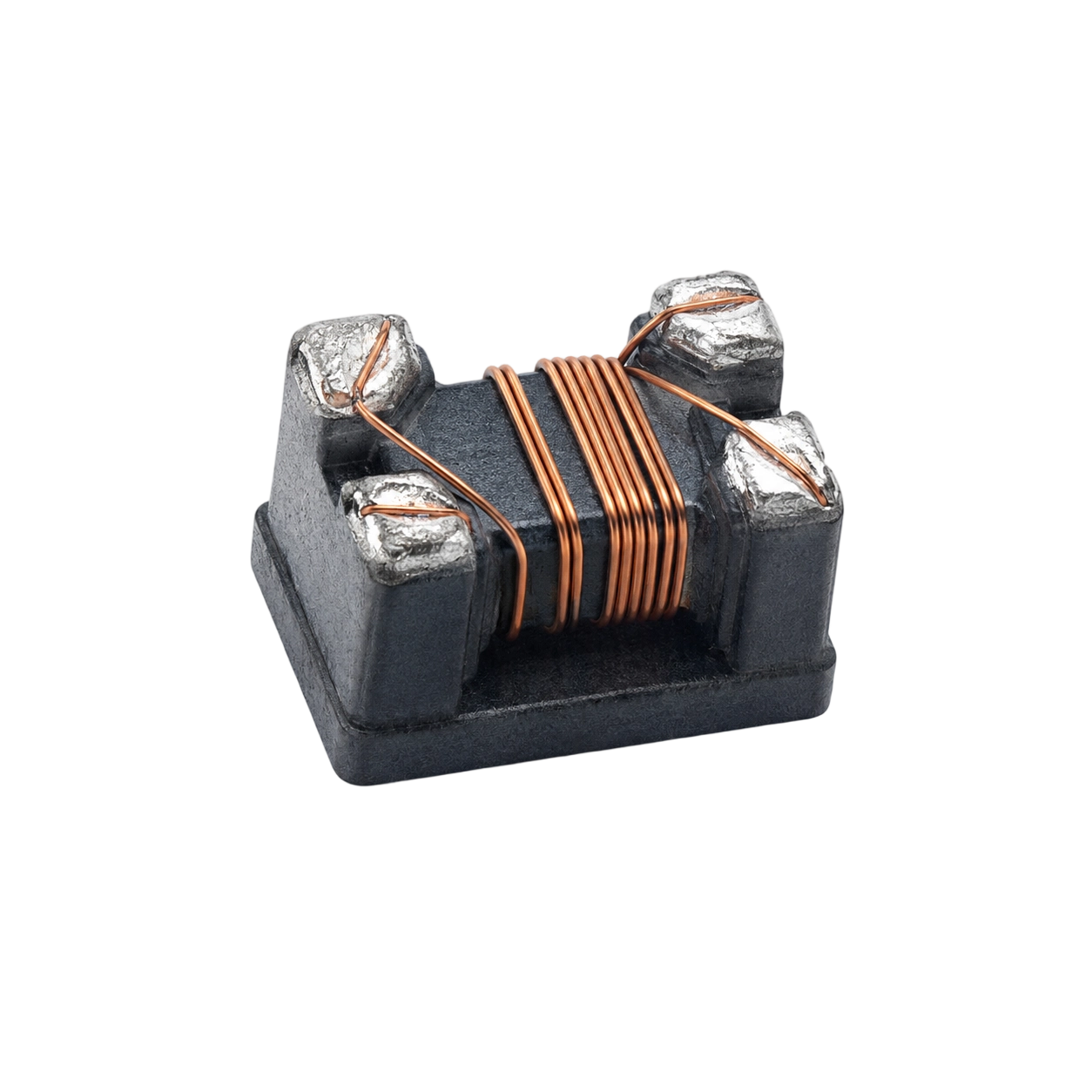
A PoC Inductor (Power over Coax Inductor) is a specialized inductor used within a PoC Bias-T circuit.
Its primary function is to separate DC power from high-frequency communication signals traveling through the same coaxial cable.
A properly designed PoC inductor allows:
✔ DC current to pass efficiently
✔ High-frequency signals to remain isolated
✔ Stable power delivery
✔ High signal integrity
Without a PoC inductor, noise coupling and signal leakage could significantly degrade system performance.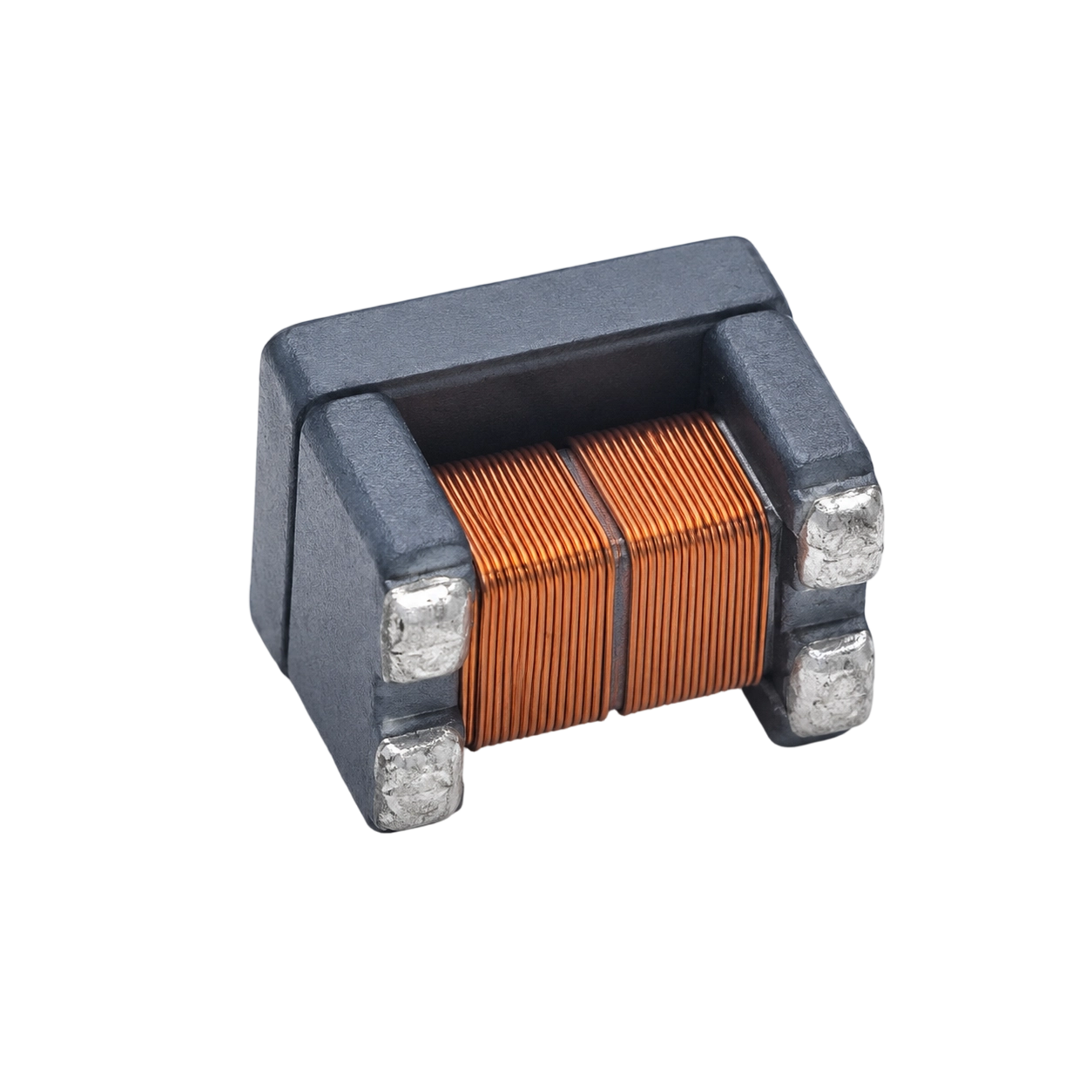
How Does a PoC Inductor Work?
The operating principle is based on impedance characteristics.
For DC Current
The inductor exhibits:
- Low impedance
- Low DC resistance (DCR)
This allows power to reach remote devices with minimal loss.
For High-Frequency Signals
The inductor exhibits:
- High impedance
- Strong isolation characteristics
This prevents communication signals from entering the power supply network.
As a result:
- Data transmission remains stable
- Power rails remain clean
- EMI performance improves
Key Functions of a PoC Inductor
1. Power and Signal Separation
The primary purpose of a PoC inductor is to isolate power from communication signals.
Benefits include:
- Reduced signal interference
- Improved communication reliability
- Lower bit error rates
This function is especially important in automotive camera systems utilizing:
- GMSL
- FPD-Link III
- APIX
- Automotive Ethernet
2. Signal Integrity Protection
Modern automotive communication links operate at multi-gigabit speeds.
Examples include:
| Protocol | Typical Speed |
|---|---|
| GMSL2 | Up to 6 Gbps |
| GMSL3 | Up to 12 Gbps |
| FPD-Link III | Multi-Gbps |
| Automotive Ethernet | 100M–10G |
Signal leakage can result in:
- Increased insertion loss
- Return loss degradation
- Communication instability
PoC inductors help preserve signal quality across the entire communication channel.
3. EMI Suppression
Electronic systems generate various forms of electromagnetic interference.
Common noise sources include:
- DC/DC converters
- Motor drivers
- Switching regulators
- Wireless communication modules
A PoC inductor helps suppress conducted noise and prevent EMI from affecting high-speed communication links.
4. Power Stabilization
PoC inductors also provide temporary energy storage.
Advantages include:
- Ripple reduction
- Current smoothing
- Improved voltage stability
This contributes to overall system reliability, particularly in harsh automotive environments.
Understanding the PoC Bias-T Circuit
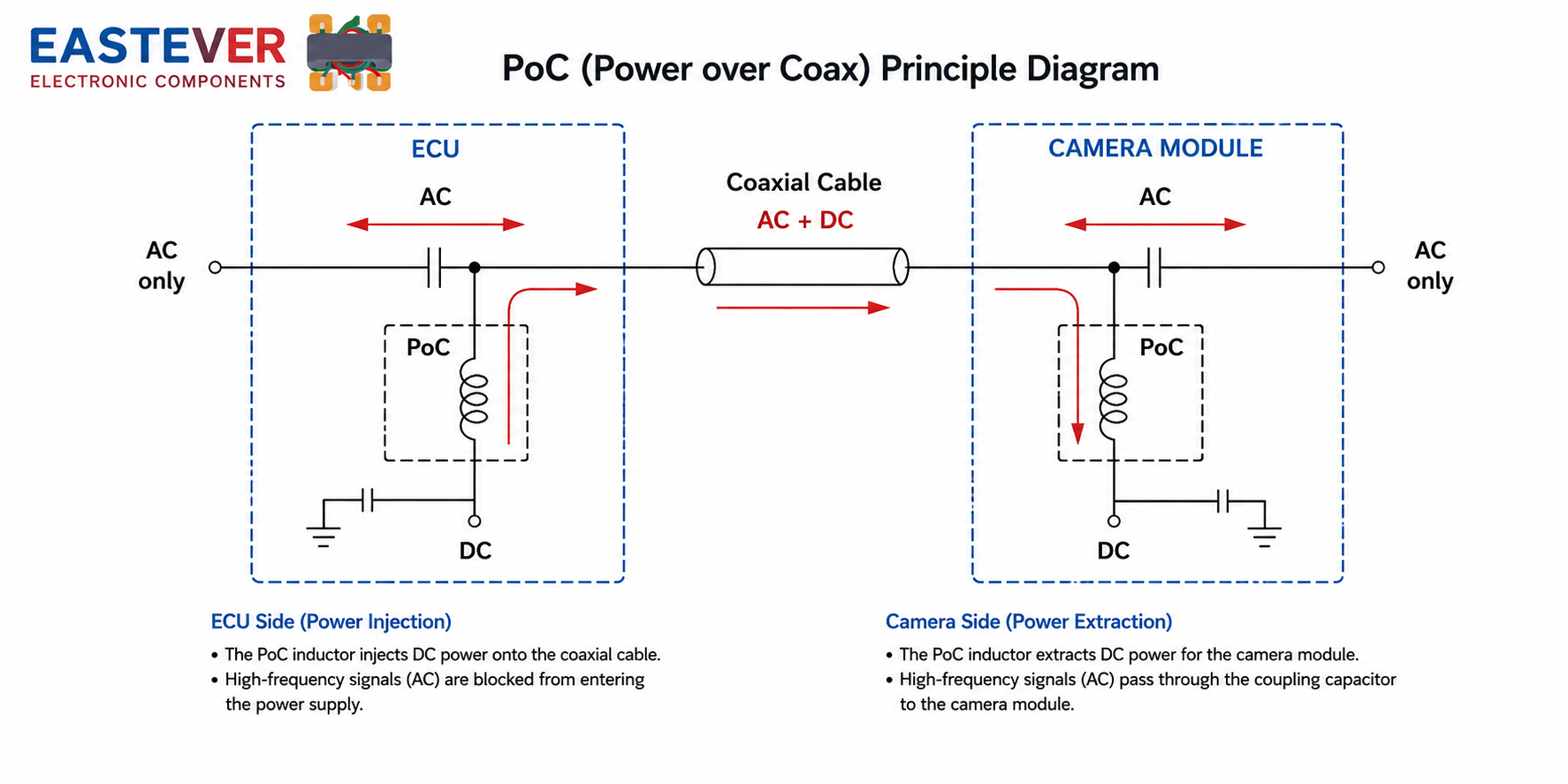
A typical PoC system utilizes a Bias-T network consisting of:
- PoC Inductor
- Coupling Capacitor
- Coaxial Cable
- Communication Device
Power Injection Side
The inductor injects DC power onto the coaxial cable while preventing high-frequency signals from entering the power source.
Signal Extraction Side
The capacitor allows RF signals to pass while blocking DC voltage.
This architecture enables simultaneous power delivery and high-speed communication through a single cable.
Important Parameters When Selecting a PoC Inductor
Inductance
Inductance determines high-frequency impedance.
Higher inductance generally improves:
- Signal isolation
- Noise suppression
However, excessive inductance may lower self-resonant frequency.
DC Resistance (DCR)
Low DCR provides:
- Higher efficiency
- Lower heat generation
- Reduced voltage drop
This is particularly important in automotive camera systems requiring long cable runs.
Saturation Current
Saturation current defines the maximum current an inductor can support before performance degradation occurs.
Insufficient saturation current may lead to:
- Reduced inductance
- Increased signal leakage
- System instability
Self-Resonant Frequency (SRF)
Modern PoC systems often operate in GHz frequency ranges.
A high SRF ensures effective filtering performance throughout the intended operating band.
Insertion Loss
Engineers typically seek components that offer:
- Low insertion loss
- High isolation
- Excellent signal integrity
for demanding automotive and industrial applications.
Future Trends in PoC Technology
As intelligent systems become more advanced, PoC technology continues evolving.
Higher Data Rates
Future automotive communication systems are expected to exceed:
- 12 Gbps
- 16 Gbps
- 24 Gbps
requiring improved PoC filtering performance.
Smaller Footprints
Miniaturization trends are driving demand for:
- Compact PoC inductors
- Higher current density
- Better thermal management
Increased Reliability
Automotive and industrial applications require components capable of withstanding:
- High temperatures
- Vibration
- Humidity
- Long operational lifetimes
This drives demand for robust PoC magnetic solutions.
About Zhuhai EastEver Electronic Components Co., Ltd.
Zhuhai EastEver Electronic Components Co., Ltd. specializes in RF magnetic components and customized passive solutions for telecommunications, CATV, industrial electronics, wireless communication, and automotive applications.
The company's product portfolio includes:
- PoC Inductors
- Rf Baluns
- Directional Couplers
- Power Splitters
- Common Mode Chokes
- Wire-Wound Inductors
- Power Inductors
- Toroidal Inductors
- LTCC Components
- CATV Passive Components
With the rapid growth of ADAS, autonomous driving systems, industrial machine vision, and intelligent security equipment, EastEver continues to support customers with high-frequency magnetic solutions designed for modern Power over Coax architectures.
Frequently Asked Questions
What is a PoC Inductor used for?
A PoC inductor separates DC power and high-frequency communication signals within a Power over Coax system.
Which industries use PoC technology?
PoC technology is commonly used in:
- Automotive Electronics
- Industrial Automation
- Medical Imaging
- Security Surveillance
- Robotics
Why is low DCR important for PoC inductors?
Low DCR reduces power loss, minimizes heat generation, and improves overall system efficiency.
What communication standards commonly use PoC?
Common standards include:
- GMSL
- FPD-Link III
- APIX
- Automotive Ethernet
Conclusion
Power over Coax technology has become a key enabler for modern automotive, industrial, and intelligent electronic systems. By combining power delivery and high-speed data transmission through a single coaxial cable, PoC architectures significantly reduce wiring complexity while improving reliability and system efficiency.
At the heart of these systems, PoC inductors provide signal isolation, EMI suppression, power stabilization, and communication integrity. As automotive networks continue moving toward higher bandwidth and greater system integration, PoC inductors will remain essential components for next-generation connectivity solutions.
Keywords:PoC Inductor, Power over Coax, Automotive PoC Inductor, GMSL PoC Solution, FPD-Link III, PoC Bias-T Circuit, RF Magnetic Components, High Frequency Inductor, Automotive Camera System, Zhuhai EastEver Electronic Components.